Connected project informationFrom field record to review and handover
EN 1090 projects create a continuous documentation task, not a final-week filing exercise. WeldInspect Pro gives steel construction, QA/QC and welding coordination teams a shared place for project records, welds, inspections, evidence, procedure references and dossier preparation. The software supports retrieval, follow-up and reporting preparation while technical and formal decisions remain with qualified personnel.
Why EN 1090 documentation becomes difficult to control
Project information often grows across spreadsheets, shared drives, paper forms and email threads. A change to a weld, drawing or inspection can leave several disconnected versions in circulation. A connected record helps the team see current status without treating software as the authority on conformity.
For en 1090 documentation workflow, the value lies in the relationship between execution, evidence and responsibility rather than in an isolated screen. The team can retrieve source records, discuss open questions and record who performs follow-up or review under the approved procedure.
Project, weld, inspection, evidence and dossier context
A project record provides the scope in which weld numbers, inspection moments and supporting documents belong. Each finding can remain linked to the relevant weld and the evidence captured at that moment. This reduces reconstruction work when QA/QC reviews completeness or prepares a handover.
The practical benefit appears when field and office roles use the same current project information. Inspectors, QA/QC and welding coordinators no longer need to reconstruct context from folders and messages, while each role keeps its own technical responsibility.
WPS/WPQR and material traceability
Procedure references are most useful when they remain visible beside the weld records that use them. Material certificates, heat numbers and related evidence can be organised around the same project context. Qualified personnel still determine whether references, qualifications and records are suitable.
A recognisable status supports planning, but notes, documents and evidence remain necessary for careful review. WeldInspect Pro keeps those elements together and leaves the appropriate conclusion or next action to the authorised user.
CE dossier readiness during execution
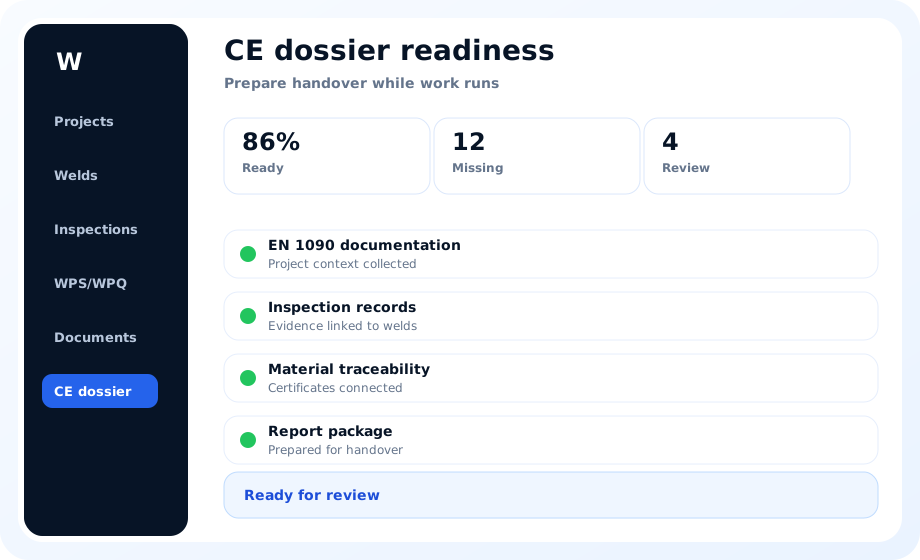
Dossier preparation starts while fabrication and inspection are taking place. Teams can review missing documents, unresolved findings and unlinked evidence before delivery pressure peaks. The resulting overview supports a structured handover without promising approval or certification.
Maintaining this area during execution reduces the history that must be rebuilt for reporting or handover. Missing relationships and open questions become visible earlier, allowing them to be addressed through the organisation’s existing quality process.
What WeldInspect Pro supports
The platform supports project setup, weld registers, inspection records, photo evidence, document links, status review and reporting. It helps different roles work from the same record instead of maintaining parallel lists. Demo and trial routes allow teams to evaluate the workflow with their own responsibilities in mind.
The project structure supports collaboration without blurring responsibilities. Users can view the same facts and relationships, while technical acceptance, document release and formal decisions remain explicitly assigned to the appropriate people and organisations.
What remains the responsibility of qualified personnel
Software can organise information but cannot interpret every project requirement or accept work on behalf of responsible people. Welding coordinators, inspectors, notified or certification bodies and other authorised parties retain their formal roles. Current contract documents and official standard texts remain the source for requirements.
This approach makes the difference between available, reviewed and completed information easier to see. A present file is not automatically suitable, and a completed record is not automatically formally accepted; those distinctions remain visible for review.
Frequently asked questions
The questions below address implementation, records, responsibility and project use. They describe practical workflow support and avoid replacing professional judgement. A product demonstration can explore how the structure fits an existing quality system.
During a demo or trial, the team can compare this workflow with current practice. Roles, approved procedures, reporting needs and evidence handling provide a more useful evaluation than a general feature list.
Implementation within an existing quality process
A practical implementation starts with roles, project structure, weld identification and the moments at which inspection records are reviewed. Existing forms and reporting needs can be compared with the digital workflow before a wider rollout. A limited first project group helps the organisation make status, evidence and follow-up conventions explicit.
For en 1090 documentation workflow, the value lies in the relationship between execution, evidence and responsibility rather than in an isolated screen. The team can retrieve source records, discuss open questions and record who performs follow-up or review under the approved procedure.
What to evaluate during a demo and trial
Review more than the speed of data entry; check whether another team member can understand the record later without extra explanation. Confirm that photos, documents, open actions and responsibilities remain recognisable beside the correct weld. Include inspection, QA/QC, welding coordination and documentation roles so the full handover chain is evaluated.
The practical benefit appears when field and office roles use the same current project information. Inspectors, QA/QC and welding coordinators no longer need to reconstruct context from folders and messages, while each role keeps its own technical responsibility.
WeldInspect Pro supports documentation workflows around relevant standards. Official standard texts, certification, qualified review and formal conformity decisions remain leading.