Connected project informationFrom field record to review and handover
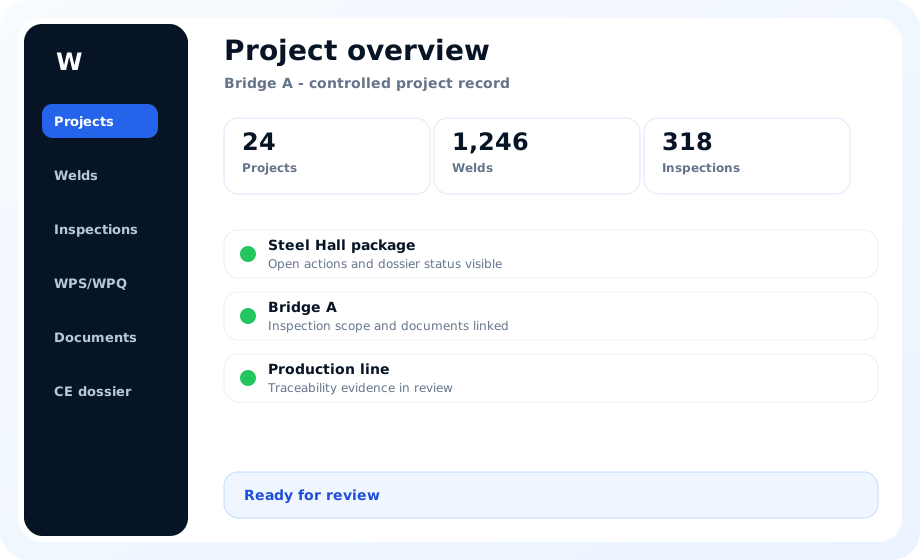
Digital weld inspection tools are most effective when they share one project context. WeldInspect Pro connects the register, inspection record, evidence, procedure references and reporting preparation instead of adding another isolated file. The software supports retrieval, follow-up and reporting preparation while technical and formal decisions remain with qualified personnel.
Digital tools versus loose files
A collection of spreadsheets, photo folders and document forms can digitise individual tasks without connecting them. The team still spends time checking identifiers and versions. A project-based toolset preserves relationships between the records.
For practical digital tools, the value lies in the relationship between execution, evidence and responsibility rather than in an isolated screen. The team can retrieve source records, discuss open questions and record who performs follow-up or review under the approved procedure.
Weld register
The weld register provides a consistent identity for inspection and documentation activity. Status, location and relevant context can be reviewed from the project structure. This makes it easier to identify records that need attention.
The practical benefit appears when field and office roles use the same current project information. Inspectors, QA/QC and welding coordinators no longer need to reconstruct context from folders and messages, while each role keeps its own technical responsibility.
Inspection records
An inspection record captures what was checked, what was observed and what follow-up is required. Structured statuses help teams distinguish completed, rejected, not applicable and open items. The record supports, but does not replace, qualified judgement.
A recognisable status supports planning, but notes, documents and evidence remain necessary for careful review. WeldInspect Pro keeps those elements together and leaves the appropriate conclusion or next action to the authorised user.
Evidence panel
Photos and documents need enough context to remain useful after the inspection moment. An evidence view groups them with the related weld and finding. That structure supports review, reporting and later retrieval.
Maintaining this area during execution reduces the history that must be rebuilt for reporting or handover. Missing relationships and open questions become visible earlier, allowing them to be addressed through the organisation’s existing quality process.
WPS/WPQR context
Procedure and qualification references belong close to the execution records they inform. Reviewers can see which documentation is associated with a weld or project. Suitability and validity remain matters for competent review.
The project structure supports collaboration without blurring responsibilities. Users can view the same facts and relationships, while technical acceptance, document release and formal decisions remain explicitly assigned to the appropriate people and organisations.
Report and handover preparation
Reporting should reflect maintained records and unresolved actions. A connected workflow helps teams spot missing evidence before handover. The output becomes easier to explain because its source records remain available.
This approach makes the difference between available, reviewed and completed information easier to see. A present file is not automatically suitable, and a completed record is not automatically formally accepted; those distinctions remain visible for review.
Frequently asked questions
Tool selection depends on project complexity, roles and existing quality procedures. The questions below cover integration of records and responsibilities. A trial offers a practical way to evaluate fit.
During a demo or trial, the team can compare this workflow with current practice. Roles, approved procedures, reporting needs and evidence handling provide a more useful evaluation than a general feature list.
Implementation within an existing quality process
A practical implementation starts with roles, project structure, weld identification and the moments at which inspection records are reviewed. Existing forms and reporting needs can be compared with the digital workflow before a wider rollout. A limited first project group helps the organisation make status, evidence and follow-up conventions explicit.
For practical digital tools, the value lies in the relationship between execution, evidence and responsibility rather than in an isolated screen. The team can retrieve source records, discuss open questions and record who performs follow-up or review under the approved procedure.
What to evaluate during a demo and trial
Review more than the speed of data entry; check whether another team member can understand the record later without extra explanation. Confirm that photos, documents, open actions and responsibilities remain recognisable beside the correct weld. Include inspection, QA/QC, welding coordination and documentation roles so the full handover chain is evaluated.
The practical benefit appears when field and office roles use the same current project information. Inspectors, QA/QC and welding coordinators no longer need to reconstruct context from folders and messages, while each role keeps its own technical responsibility.
WeldInspect Pro supports documentation workflows around relevant standards. Official standard texts, certification, qualified review and formal conformity decisions remain leading.